Clearing a Flat Full of 1950s Solid Wood Furniture in Ang Mo Kio
By Junk Value Team
The Call from Ang Mo Kio
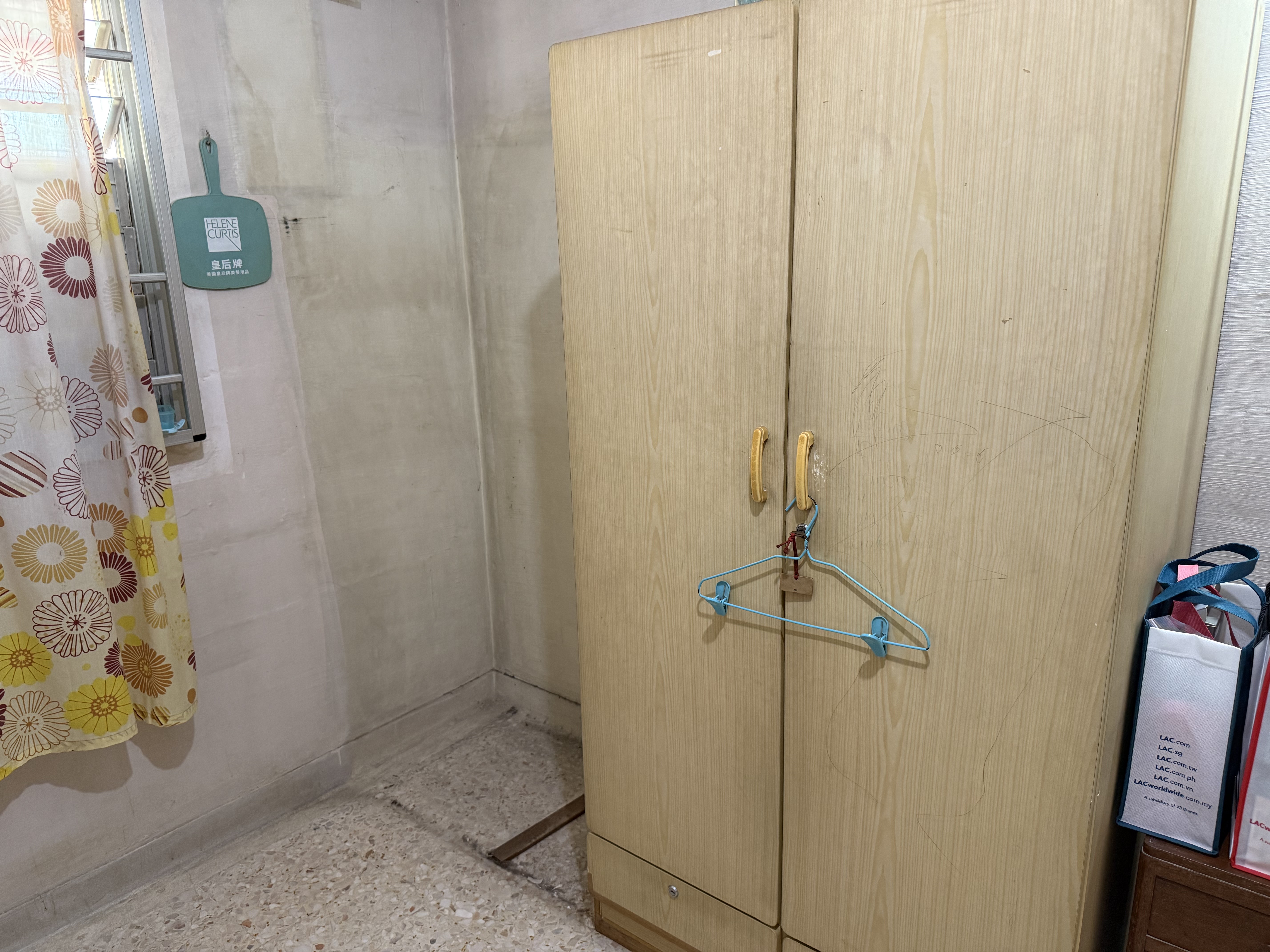
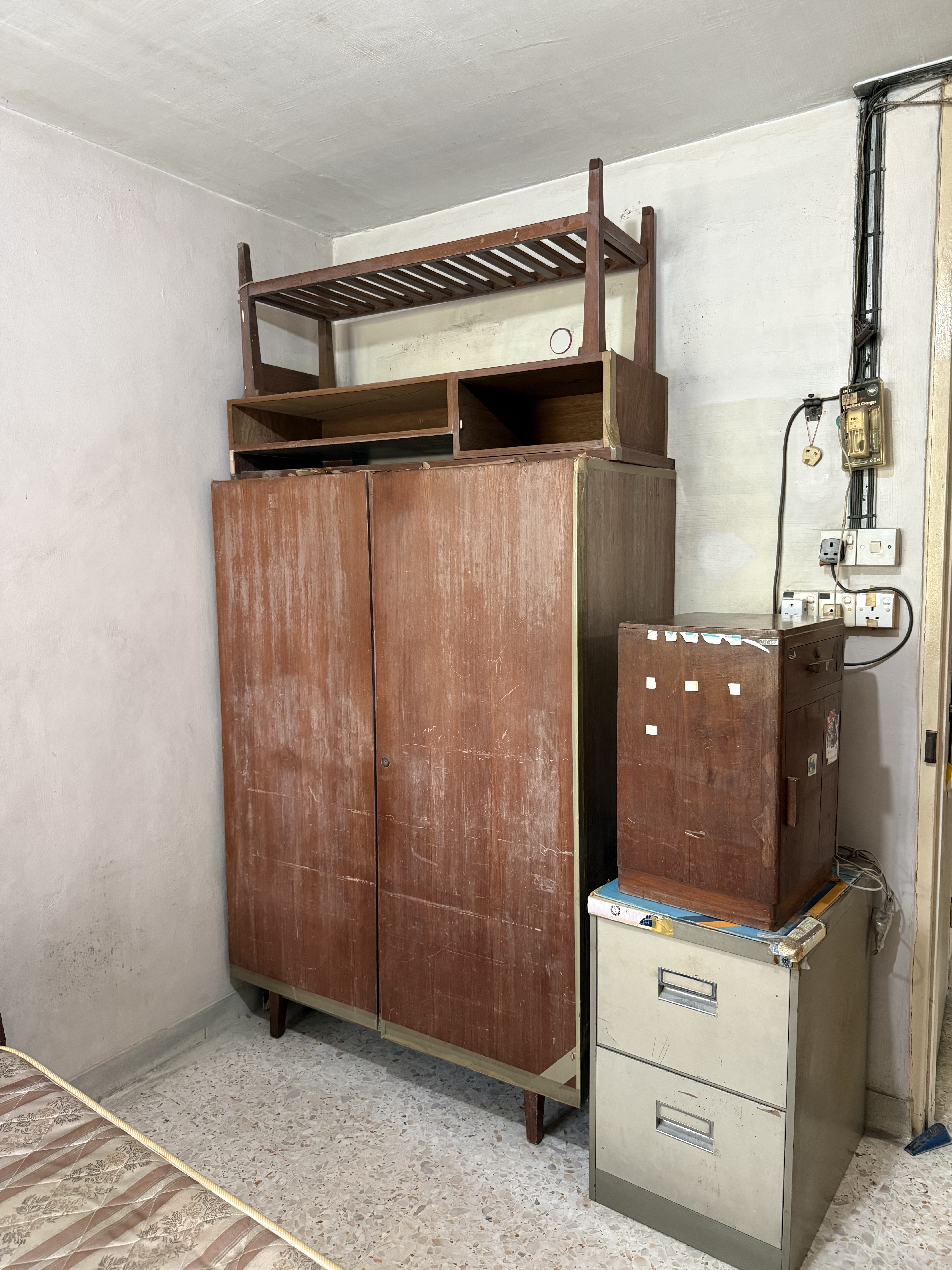
A daughter rang us on a Tuesday afternoon. Her mother had lived in the same Ang Mo Kio HDB flat since the early 1970s, and the unit was still furnished with the original pieces: a full teak wardrobe set, a rosewood vanity table with a marble top, a solid chengal dining table with six chairs, and two dressers that hadn't moved since the day they were carried in.
The family was preparing the flat for a full renovation handover. Nothing could stay. And nothing could be moved by two people with a hand trolley.
Why 1950s–60s Furniture Is a Different Beast

Modern flat-pack furniture — your IKEA PAX wardrobes, your particle-board bed frames — comes apart along pre-designed seams. Cam locks twist out, dowels slide free, and the whole thing collapses into panels light enough for one person to carry.
Solid wood furniture from the 50s and 60s doesn't work that way. These pieces were built to last generations. Mortise-and-tenon joints glued with animal-hide adhesive. Hardwood panels 25mm thick. A single-door teak wardrobe can weigh 80–100 kg assembled. A chengal dining table with thick turned legs? Easily 60 kg before you add the chairs.
That weight creates a real logistics problem in an HDB corridor. Standard HDB doorframes are 900mm wide. A wardrobe that's 1,200mm across doesn't fit through without being taken apart first. And even if you could angle it out, you're looking at manoeuvring it into a passenger lift rated for maybe 10 people — with other residents waiting.
In our 10+ years of clearing Singaporean homes, we've handled hundreds of these vintage pieces. The wood is beautiful. It's also unforgiving if you try to brute-force it down a narrow corridor.
The Dismantling Step — and Why Town Council Pickup Doesn't Solve This

Some residents assume the town council will handle bulky items for free. Teck Ghee constituency falls under Ang Mo Kio Town Council, and yes, they do offer scheduled bulky-item collection. But there's a critical condition most people miss: the resident must dismantle the item first. The town council won't collect a whole wardrobe sitting at the void deck. It needs to be broken down into manageable pieces before they'll take it.
For a family staring at 400 kg of solid hardwood spread across five or six massive pieces, "just dismantle it yourself" isn't realistic advice.
Our crew arrived at the AMK flat with pry bars, reciprocating saws, and rubber mallets. We started with the wardrobe — removing the doors from their piano hinges, then separating the top panel from the side frames. Chengal doesn't split cleanly, so we cut along the grain where joints had weakened over decades. Each section was reduced to pieces narrow enough to pass through the doorframe and light enough for two crew members to carry safely to the lift lobby.
The vanity table's marble top came off first (marble cracks if you flex the frame beneath it). The rosewood base was then separated at the leg joints.
Total dismantling time for the full flat: about two and a half hours before we moved a single piece out the front door.
From the Unit to the Truck
Once everything was broken down, we staged the pieces in the corridor and ran them to the ground floor via the passenger lift in batches. Three crew members rotating — two loading the lift, one receiving at ground level and stacking into the lorry.
Solid wood is dense. Even dismantled, a single wardrobe's worth of timber fills a surprising amount of truck bed. This job required a 14-foot lorry, loaded carefully so nothing shifted during transit.
The flat itself? We swept out decades of dust that had accumulated behind those old cabinets — the kind of grey felt-like layer that only forms when furniture hasn't moved in 40 years. The family wanted the space contractor-ready, so we left it clean enough to hand over.
What Happens at the Disposal Yard

The truck doesn't go to one place and dump everything in a pile. At the yard, materials get sorted into streams. Metal hardware — hinges, drawer runners, screws — goes into the metal recycling channel. Solid timber that's still structurally sound gets routed into second-hand material channels where possible. Mixed waste and damaged wood that can't be reused goes through licensed intermediaries who do further sorting before routing to appropriate disposal facilities.
We try to keep as much material out of the waste stream as we can. Solid teak and rosewood, even in dismantled form, still has material value. That said, we don't pay customers for items collected — this is a disposal service, not a buyback programme.
When This Approach Applies

The AMK job isn't unusual. We see the same pattern across estates — Clementi, Jurong West, Bedok, Marine Parade. An elderly parent moves to a smaller unit or passes on, and the adult children inherit a flat full of furniture that predates their birth. Solid wood. No assembly instructions. No Allen keys.
If you're facing a similar clearance — whether it's one wardrobe or an entire flat — the process is the same: assess, dismantle on-site, transport, sort at the yard.
Common Questions

Do you take whole wardrobes? Yes. We dismantle them on-site as part of the service. You don't need to break anything down before we arrive — that's our job.
Do you keep or buy any of the furniture? No. We don't pay for items collected. Reusable materials get routed into recycling or second-hand channels where appropriate, but there's no cash, credit, or compensation to the customer.
How long does a full flat clearance take? Depends on the volume and the type of furniture. A flat like the AMK job — five to six large vintage pieces plus miscellaneous clutter — took about four hours total, from first cut to final sweep. Larger units or heavier loads may take longer. We confirm timing at the quote stage.
Need to clear vintage furniture from an HDB flat? Send us photos on WhatsApp and we'll quote within the day — no obligation, no site visit needed for most jobs.
WhatsApp us at 9888 1292 for a free photo-based quote.
From this job